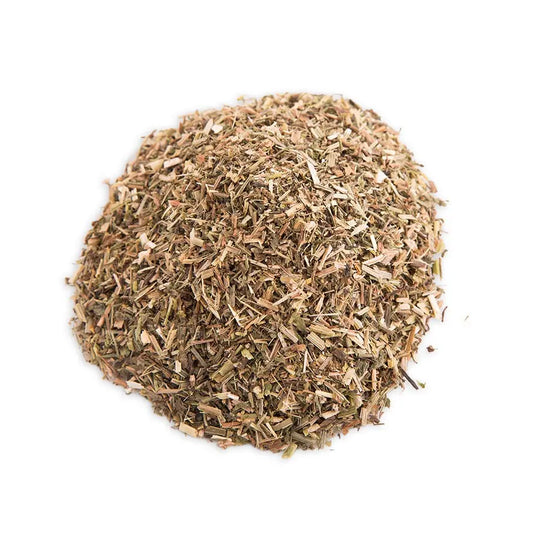
Thyme Pharma Germania

PHARMA GERMANIA

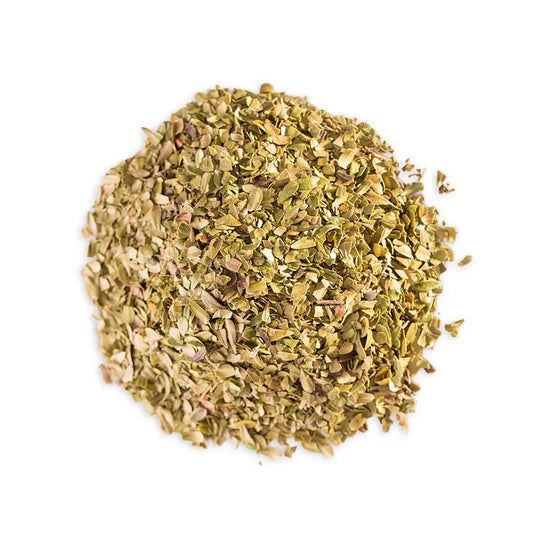
Thyme | Loose Leaf Herb – Pharma Germania

100 g
R 45.90 ZAR
Free shipping on orders over R850

Breathe. Digest. Restore.

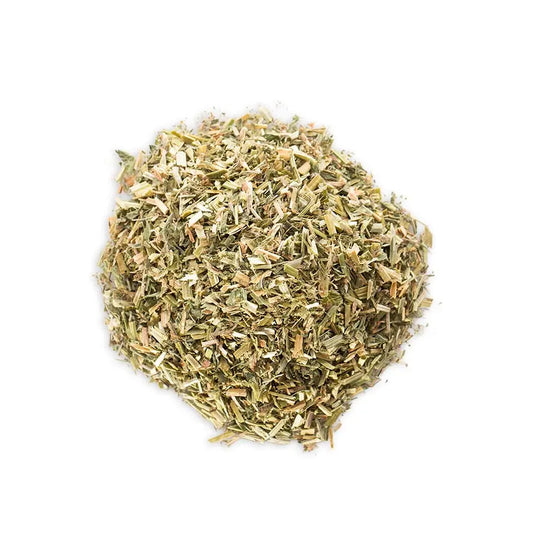
Thymus vulgaris is a thymol-rich warming herb traditionally used to clear the airways, soothe the throat, support a healthy internal microbiome, and provide potent aromatic defence for the respiratory and digestive systems.

Why Thyme?

  • Respiratory clarity: Thymol and carvacrol are the primary agents behind Thyme’s renowned ability to clear the chest, soothe a scratchy throat, and support a healthy response to environmental and seasonal stressors.
  • Sublingual efficiency: Pungent aromatic oils are rapidly absorbed through the mucosal lining, providing immediate localised and systemic respiratory and immune support.
  • Digestive balance: Carminative volatile oils ease bloating and support a healthy, balanced internal microbiome — a true kitchen-to-medicine-cabinet herb.
  • Antimicrobial resilience: Flavonoids and phenolic compounds provide broad antioxidant and antimicrobial protection, supporting the body’s natural defences during demanding seasons.
  • PayFast Instant EFT
  • mobicred
  • Ozow
  • Mastercard
  • Visa

  • FREE SHIPPING

    Orders over R850 to your door.
  • 14 DAY RETURN

    Easy returns on eligible items.
  • SAFE PAYMENTS

    Shop with confidence.

Traditional Benefits

Thymus vulgaris is a botanical cornerstone of garden-based herbalism. Classified in traditional herbalism as "warming, drying, and aromatic-tonic," it is deeply respected for its specific affinity with the respiratory system, the throat, and the immune system. It acts as an "invigorator," helping to resolve sensations of congestion, seasonal sluggishness, or "internal-chill" with its sharp, pungent, and deeply warming energy.

Core Bioactive Markers:

  • Thymol & Carvacrol: The "heart" of the Thyme. These potent, aromatic essential oils are the primary agents traditionally linked to the herb's reputation for its respiratory-soothing and immune-supporting effects.
  • Flavonoids: Provide broad, antioxidant-rich support, helping to protect the body’s cells from environmental stress and supporting healthy, responsive vitality.
  • Phenolic Acids: Offer a sophisticated, antioxidant-rich profile that is traditionally valued for their ability to support the body’s natural response to seasonal challenges.
  • Essential Minerals: Provide subtle, nourishing support, ensuring the leaf is not just a defensive aid, but a balanced addition to your daily wellness routine.

Key Physiological Properties:

  • Respiratory Ally: Traditionally used to maintain clear and comfortable airways, fostering a state of effortless and easy breathing.
  • Immune-System Fortifier: Its aromatic nature helps to support the body’s natural resilience, fostering a state of steady, reliable strength.
  • Warming Comfort: By dispelling internal "cold" and stagnation, it helps to resolve "heavy-congested" states, fostering a sense of warmth, clarity, and balanced equilibrium.
  • Systemic Harmoniser: By warming and clearing, it helps to resolve "stalled-seasonal" states, encouraging a state of vibrant, active, and fundamentally aligned equilibrium.

Therapeutic Benefits at a Glance

Respiratory Flow

Supports clear breathing and chest comfort.

Immune Resilience

Reinforces defences for seasonal support.

Warming Comfort

Dissipates internal chill and clears congestion.

Aromatic Clarity

A classic, pungent tonic for daily care.

Systemic Defence

A foundational, results-driven tonic for health.

How To Use

  • Infusion: Pour 1 cup of boiling water onto 2 teaspoons of herb. Steep for 10min in a closed container. Strain and drink three times per day.
  • For a bath: Take 200g of herb for a full bath.
  • Herb pillow: Fill a material bag with the herb and sow it up.
  • The Ritual: Best used as a "Protection Ritual." Sipping Thyme tea is an act of reinforcing your internal boundaries. It is a moment to breathe deeply, warm your core, and set a standard of resilience and focus for your day.

Safety & Precautions

• Generally safe for use as a traditional culinary/herbal tea.
• Pregnant women should avoid using thyme in medicinal amounts.
• Not intended to diagnose, treat, cure, or prevent any disease.
• Keep out of reach of children.
FAQs

Isn't this just a cooking herb?

It is a kitchen staple, but it is also one of the most powerful medicinal plants in the garden! Its high essential oil content makes it an incredibly effective tool for respiratory and digestive wellness.

Can I use this if I have a scratchy throat?

It is one of the best! Its warming, cleansing nature is excellent for soothing throat irritation and supporting the respiratory system.

Can I mix this with other herbs?

it is a brilliant team player. It blends beautifully with Sage for a "deep-respiratory" tea or with Lemon Balm for a "soothing and uplifting" seasonal tonic.

Shipping
• Free delivery on orders over R850 nationwide
• Courier delivery calculated at checkout for orders under R850
• Main centres: 2–4 business days | Outlying areas: 4–7 business days
• Orders processed within 1 business day (Mon–Fri)
• Tracking updates via email/SMS
• South Africa only — no international shipping
Returns
• 14-day returns accepted on sealed, unopened, unused items
• R100 flat-rate return shipping fee applies
• Final sale items are non-returnable
• Damaged items must be reported within 3 days of delivery (photo required)
• Refunds take up to 7 working days to clear

HOW TO PREPARE YOUR HERBS

infusion

Infusion (The Gentle Extract)

Best For: Flowers, leaves, and aerial parts.
Method: Steeping in hot (not boiling) water.
Goal: Preserves delicate oils and nutrients.
Feel: Mild, aromatic, and nourishing.
Think of this as an elevated tea ritual. Because leaves and flowers are delicate, boiling them can damage their beneficial essential oils and volatile compounds.

The Method: 
  • Pour hot (approx. 85°C–90°C) water over your herbs. 
  • The Time: Cover and steep for 5–15 minutes. Covering is key—it prevents the plant's aromatic oils from escaping with the steam. 
  • Best For: Chamomile, Lemon Balm, and delicate floral blends. 

Cold infusions

Herbs best suited for cold infusions are those high in mucilage (like marshmallow root) or those with delicate, volatile oils (like peppermint and lemon balm). Steeping these in cold water overnight extracts their maximum benefits and flavours while preventing bitterness and preserving sensitive phytonutrients. 

How to Prepare

Prep: Use a ratio of 1 tablespoon of dried herb (or 2 tablespoons fresh) per 1 cup of cold, filtered water.
Steep: Combine in a glass jar, cover tightly, and leave at room temperature or in the refrigerator for 6 to 12 hours (overnight is ideal).
Strain: Strain out the herbs thoroughly before drinking, warm water can be added to the drink if warm liquids is your preference. Do not heat in microwave.
cold_infusion
decoction

Decoction (The Deep Extract)

Best For: Roots, bark, seeds, and woody stems.
Method: Simmering in water over heat.
Goal: Softens tough fibres to release compounds.
Feel: Concentrated, earthy, and potent.

How to Prepare (The "Simmer")

This is a more intensive process for tougher materials. Roots, barks, and woody seeds are "locked" behind dense cell walls; a simple soak isn't enough to get the goodness out.
The Method: Place your herbs in a pot with cold water. Slowly bring it to a gentle boil, then lower the heat and simmer.
The Time: Simmer for 15–20 minutes. Keep the lid on to maintain the potency.
Best For: Yellow Dock, White Willow Bark, Wild Yam, and woody roots or dense seeds.

Herbal Poultice

  • Place the recommended amount of dried herbs into a bowl.
  • Add just enough boiling water to moisten the herbs, creating a thick paste.
  • Allow the mixture to cool until it is comfortably warm (not hot enough to burn the skin).
  • Spread the herbs evenly onto a clean piece of muslin, gauze, or cotton cloth and fold the cloth over to enclose the herbs.
  • Apply the warm poultice directly to the affected area for 15–30 minutes, or as needed.
  • Remove the poultice and discard the used herbs. Prepare a fresh poultice for each application.

Helpful Tips
Do not apply to broken skin, open wounds, or infected areas unless advised by a qualified healthcare practitioner. If irritation occurs, discontinue use immediately.
poultice