Bay Leaves Pharma Germania

PHARMA GERMANIA

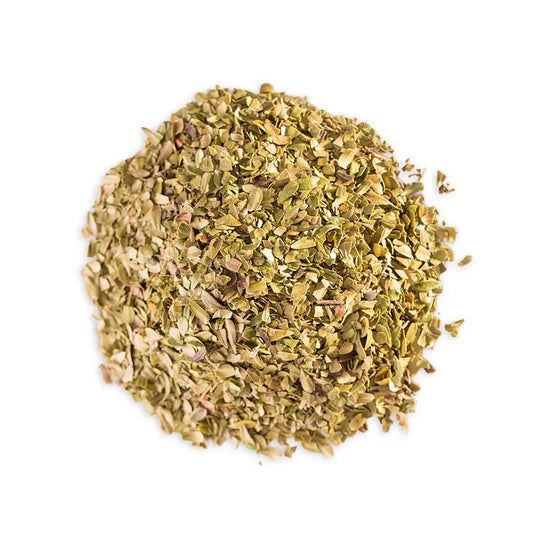
Bay Leaves | Loose Leaf Herb – Pharma Germania

50g
R 30.60 ZAR
Free shipping on orders over R850

Aromatic. Warming. Restorative.

Laurus nobilis is a warming, eucalyptol-rich botanical traditionally used to ignite digestive fire, ease internal congestion, and support clear, comfortable breathing.

Why Bay Leaves?

  • Digestive stimulant: Eugenol and linalool relax the smooth muscles of the gut, easing gas, bloating, and post-meal cramping while stimulating gastric juices for efficient digestion.
  • Respiratory comfort: Eucalyptol-rich volatile oils support the clearance of mucus from the respiratory tract, soothing the chest and promoting clear, easy breathing.
  • Warming circulatory tonic: Aromatic oils encourage healthy peripheral circulation, easing physical coldness, tension, and the feeling of internal stagnation.
  • Metabolic support: Stimulates enzyme production and supports the body’s natural processing and elimination pathways as a gentle daily digestive tonic.
  • PayFast Instant EFT
  • mobicred
  • Ozow
  • Mastercard
  • Visa

  • FREE SHIPPING

    Orders over R850 to your door.
  • 14 DAY RETURN

    Easy returns on eligible items.
  • SAFE PAYMENTS

    Shop with confidence.

Traditional Benefits

Laurus nobilis—the noble bay—has been a cornerstone of traditional medicine for millennia. Its therapeutic value lies in its high concentration of volatile oils, which provide a warming, stimulating effect on the body’s internal systems.

Core Bioactive Markers:

  • Cineole (Eucalyptol): The primary aromatic compound responsible for the leaf's cooling, soothing effect on the respiratory tract.
  • Eugenol & Linalool: Potent essential oils that provide warming, antispasmodic, and anti-inflammatory properties, particularly within the gastrointestinal system.
  • Tannins & Flavonoids: Provide mild astringent and antioxidant support, helping to protect and tone digestive tissues.

Key Physiological Properties:

  • Carminative & Spasmolytic: Gently relaxes the smooth muscles of the digestive tract, making it highly effective at easing gas and abdominal cramping.
  • Expectorant Action: Traditionally used to support the clearance of mucus from the respiratory system, promoting clear and comfortable breathing.
  • Warming Circulatory Stimulant: Its volatile oils encourage healthy peripheral circulation, which helps to ease the feeling of physical coldness or tension.
  • Digestive "Ignition": Stimulates the production of gastric juices, ensuring that the system is primed to process food efficiently and thoroughly.

Therapeutic Benefits at a Glance

Digestive Relief

Eases bloating, gas, and cramping after heavy meals.

Respiratory Health

Traditionally used to soothe the chest and clear the airways.

Circulatory Support

Its warming nature promotes healthy flow and relieves physical coldness.

Metabolic Health

Stimulates digestive enzymes, improving overall nutrient processing.

Systemic Comfort

A gentle, aromatic tonic for easing internal tension and promoting harmony.

How To Use

  • Infusion: 1 - 2 teaspoons of crushed leaves in 250 ml boiling water. Stand for 10-15 min. Strain and drink one to two cups per day.
  • The Ritual: Best enjoyed as a "Digestive Anchor" after your largest meal of the day. Sipping this tea slowly allows the warming, earthy notes to ground your system and signal that it is time for efficient processing and rest.

Safety & Precautions

• Do not use if pregnant or lactating.
• Generally safe for culinary and infusion use.
• Not intended to diagnose, treat, cure, or prevent any disease.
• Keep out of reach of children.
FAQs

Why are these traditionally used in soups and stews?

Beyond their deep, savoury flavour, they are traditionally included in heavier meals to counteract potential digestive sluggishness, acting as a "digestive aid" within the dish itself.

How does the tea compare to the culinary leaf?

The tea offers a much cleaner, more aromatic, and concentrated experience of the leaf's essential oils, making it highly effective for targeted digestive support.

Can I pair this with other warming herbs?

Absolutely. It pairs perfectly with ginger or black pepper for a powerful, warming digestive tea that is excellent for cooler weather.

Shipping
• Free delivery on orders over R850 nationwide
• Courier delivery calculated at checkout for orders under R850
• Main centres: 2–4 business days | Outlying areas: 4–7 business days
• Orders processed within 1 business day (Mon–Fri)
• Tracking updates via email/SMS
• South Africa only — no international shipping
Returns
• 14-day returns accepted on sealed, unopened, unused items
• R100 flat-rate return shipping fee applies
• Final sale items are non-returnable
• Damaged items must be reported within 3 days of delivery (photo required)
• Refunds take up to 7 working days to clear

HOW TO PREPARE YOUR HERBS

infusion

Infusion (The Gentle Extract)

Best For: Flowers, leaves, and aerial parts.
Method: Steeping in hot (not boiling) water.
Goal: Preserves delicate oils and nutrients.
Feel: Mild, aromatic, and nourishing.
Think of this as an elevated tea ritual. Because leaves and flowers are delicate, boiling them can damage their beneficial essential oils and volatile compounds.

The Method: 
  • Pour hot (approx. 85°C–90°C) water over your herbs. 
  • The Time: Cover and steep for 5–15 minutes. Covering is key—it prevents the plant's aromatic oils from escaping with the steam. 
  • Best For: Chamomile, Lemon Balm, and delicate floral blends. 

Cold infusions

Herbs best suited for cold infusions are those high in mucilage (like marshmallow root) or those with delicate, volatile oils (like peppermint and lemon balm). Steeping these in cold water overnight extracts their maximum benefits and flavours while preventing bitterness and preserving sensitive phytonutrients. 

How to Prepare

Prep: Use a ratio of 1 tablespoon of dried herb (or 2 tablespoons fresh) per 1 cup of cold, filtered water.
Steep: Combine in a glass jar, cover tightly, and leave at room temperature or in the refrigerator for 6 to 12 hours (overnight is ideal).
Strain: Strain out the herbs thoroughly before drinking, warm water can be added to the drink if warm liquids is your preference. Do not heat in microwave.
cold_infusion
decoction

Decoction (The Deep Extract)

Best For: Roots, bark, seeds, and woody stems.
Method: Simmering in water over heat.
Goal: Softens tough fibres to release compounds.
Feel: Concentrated, earthy, and potent.

How to Prepare (The "Simmer")

This is a more intensive process for tougher materials. Roots, barks, and woody seeds are "locked" behind dense cell walls; a simple soak isn't enough to get the goodness out.
The Method: Place your herbs in a pot with cold water. Slowly bring it to a gentle boil, then lower the heat and simmer.
The Time: Simmer for 15–20 minutes. Keep the lid on to maintain the potency.
Best For: Yellow Dock, White Willow Bark, Wild Yam, and woody roots or dense seeds.

Herbal Poultice

  • Place the recommended amount of dried herbs into a bowl.
  • Add just enough boiling water to moisten the herbs, creating a thick paste.
  • Allow the mixture to cool until it is comfortably warm (not hot enough to burn the skin).
  • Spread the herbs evenly onto a clean piece of muslin, gauze, or cotton cloth and fold the cloth over to enclose the herbs.
  • Apply the warm poultice directly to the affected area for 15–30 minutes, or as needed.
  • Remove the poultice and discard the used herbs. Prepare a fresh poultice for each application.

Helpful Tips
Do not apply to broken skin, open wounds, or infected areas unless advised by a qualified healthcare practitioner. If irritation occurs, discontinue use immediately.
poultice