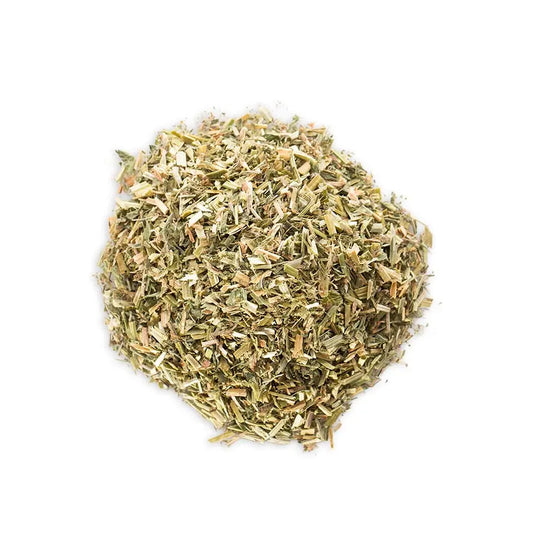
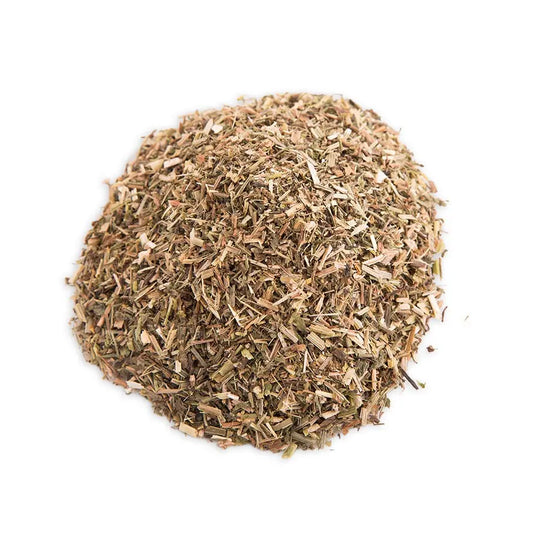
Passionflower Herb Cut Pharma Germania

PHARMA GERMANIA

Passionflower Herb Cut | Loose Leaf Herb – Pharma Germania

75 g
R 71.40 ZAR
Free shipping on orders over R850

Quiet. Calm. Restore.

Passionflower (Passiflora incarnata) is a botanical specialist of the nervous system, rich in flavonoids (vitexin and chrysin), harmala-type alkaloids, GABA-supportive compounds, and glycosides — a combination that quiets a racing mind, eases physical tension, and guides you toward deep, restorative rest.

Why Passionflower?

  • The Mind-Quietener. Vitexin and chrysin are the primary agents traditionally linked to calming the nervous system and easing the transition into sleep – the classic choice for when thoughts feel restless or stuck in circular worries.
  • Deep-Rest Tonic. GABA-supportive compounds encourage the body's natural relaxation pathways, while harmala-type alkaloids provide a grounding quality that anchors the mind when it feels scattered or over-stimulated.
  • Tension Reliever. Its gentle, cooling nature dissipates the physical patterns of stress – a tight neck, clenched jaw, and fluttery nerves – encouraging a soft, open, and relaxed body without sedation or heaviness.
  • The Stillness Tonic. Glycosides offer foundational systemic balance and antioxidant protection — with a mild, grassy, earthy flavour, they are the perfect evening companion for a bedtime ritual of profound, rhythmic peace.
  • PayFast Instant EFT
  • mobicred
  • Ozow
  • Mastercard
  • Visa

  • FREE SHIPPING

    Orders over R850 to your door.
  • 14 DAY RETURN

    Easy returns on eligible items.
  • SAFE PAYMENTS

    Shop with confidence.

Traditional Benefits

Passiflora incarnata is a botanical specialist of the nervous system. Classified in traditional herbalism as "cooling, drying, and relaxing," it is deeply respected for its specific affinity with the nervous system and the "mental-emotional" state. It acts as a "dampener" of over-active energy, helping to resolve sensations of intensity, agitation, or circular thinking.

Core Bioactive Markers:

  • Flavonoids (Vitexin, Chrysin): The "heart" of the Passionflower. These compounds are the primary agents traditionally linked to the herb's reputation for supporting a calm nervous system and promoting ease during transitions into sleep.
  • Alkaloids (Harmala-type): Provide a subtle, grounding structural quality that contributes to the herb's ability to help "anchor" the mind when it feels scattered or over-stimulated.
  • GABA-Supportive Compounds: While complex, Passionflower is traditionally revered for its ability to encourage the body’s natural relaxation pathways, fostering a state of calm.
  • Glycosides: Offer foundational support for systemic balance, helping to protect tissues from the oxidative stress that can accompany high-stress states.

Key Physiological Properties:

  • Nervous System Sedative: Traditionally used to calm acute mental agitation and promote a sense of deep, focused stillness.
  • Sleep Facilitator: Helps to soothe the "pre-sleep" anxiety that keeps you awake, encouraging a natural, smooth shift into rest.
  • Tension Reliever: Its relaxing nature helps to dissipate the physical patterns of stress, encouraging a soft, open, and relaxed body.
  • Systemic Harmoniser: By cooling and quieting, it helps to resolve "mental-heat" and circular worry, fostering a state of peaceful, silent equilibrium.

Therapeutic Benefits at a Glance

Mental Quiet

Silences racing thoughts and circular worry.

Sleep Ease

Supports smooth, natural entry into deep rest.

Nervous Calm

Dissipates agitation and "wired" energy.

Physical Release

Eases tension in the jaw, shoulders, and muscles.

Ritual Stillness

A premier tonic for evening peace and grounding.

How To Use

  • Infusion: Pour 1 cup of boiling water onto herb. Let it infuse for 15min. Strain and drink just before bedtime for sleeplessness and twice a day for other ailments.
  • The Ritual: Best used as a "Transition Ritual." Sipping a warm cup of Passionflower tea one hour before bed is the perfect way to signal to your nervous system that the day is done. It is an intentional, peaceful pause to let go of responsibilities and drift into a state of quiet grace.

Safety & Precautions

• Do not use if pregnant or lactating.
• Because of its sedative qualities, avoid using before driving or operating heavy machinery.
• Not intended to diagnose, treat, cure, or prevent any disease.
• Keep out of reach of children.
FAQs

Will this make me groggy in the morning?

Generally, no. Because it helps promote natural sleep rather than forcing it, most people wake up feeling refreshed and clear-headed.

Is it effective for anxiety?

It is widely considered one of the best traditional herbs for the "over-thinking" type of anxiety, where you feel trapped in a cycle of worry or restlessness.

Can I mix this with other herbs?

It is a wonderful base! It blends beautifully with Chamomile or Valerian for a truly potent, "deep-rest" evening tea blend.

Shipping
• Free delivery on orders over R850 nationwide
• Courier delivery calculated at checkout for orders under R850
• Main centres: 2–4 business days | Outlying areas: 4–7 business days
• Orders processed within 1 business day (Mon–Fri)
• Tracking updates via email/SMS
• South Africa only — no international shipping
Returns
• 14-day returns accepted on sealed, unopened, unused items
• R100 flat-rate return shipping fee applies
• Final sale items are non-returnable
• Damaged items must be reported within 3 days of delivery (photo required)
• Refunds take up to 7 working days to clear

HOW TO PREPARE YOUR HERBS

infusion

Infusion (The Gentle Extract)

Best For: Flowers, leaves, and aerial parts.
Method: Steeping in hot (not boiling) water.
Goal: Preserves delicate oils and nutrients.
Feel: Mild, aromatic, and nourishing.
Think of this as an elevated tea ritual. Because leaves and flowers are delicate, boiling them can damage their beneficial essential oils and volatile compounds.

The Method: 
  • Pour hot (approx. 85°C–90°C) water over your herbs. 
  • The Time: Cover and steep for 5–15 minutes. Covering is key—it prevents the plant's aromatic oils from escaping with the steam. 
  • Best For: Chamomile, Lemon Balm, and delicate floral blends. 

Cold infusions

Herbs best suited for cold infusions are those high in mucilage (like marshmallow root) or those with delicate, volatile oils (like peppermint and lemon balm). Steeping these in cold water overnight extracts their maximum benefits and flavours while preventing bitterness and preserving sensitive phytonutrients. 

How to Prepare

Prep: Use a ratio of 1 tablespoon of dried herb (or 2 tablespoons fresh) per 1 cup of cold, filtered water.
Steep: Combine in a glass jar, cover tightly, and leave at room temperature or in the refrigerator for 6 to 12 hours (overnight is ideal).
Strain: Strain out the herbs thoroughly before drinking, warm water can be added to the drink if warm liquids is your preference. Do not heat in microwave.
cold_infusion
decoction

Decoction (The Deep Extract)

Best For: Roots, bark, seeds, and woody stems.
Method: Simmering in water over heat.
Goal: Softens tough fibres to release compounds.
Feel: Concentrated, earthy, and potent.

How to Prepare (The "Simmer")

This is a more intensive process for tougher materials. Roots, barks, and woody seeds are "locked" behind dense cell walls; a simple soak isn't enough to get the goodness out.
The Method: Place your herbs in a pot with cold water. Slowly bring it to a gentle boil, then lower the heat and simmer.
The Time: Simmer for 15–20 minutes. Keep the lid on to maintain the potency.
Best For: Yellow Dock, White Willow Bark, Wild Yam, and woody roots or dense seeds.

Herbal Poultice

  • Place the recommended amount of dried herbs into a bowl.
  • Add just enough boiling water to moisten the herbs, creating a thick paste.
  • Allow the mixture to cool until it is comfortably warm (not hot enough to burn the skin).
  • Spread the herbs evenly onto a clean piece of muslin, gauze, or cotton cloth and fold the cloth over to enclose the herbs.
  • Apply the warm poultice directly to the affected area for 15–30 minutes, or as needed.
  • Remove the poultice and discard the used herbs. Prepare a fresh poultice for each application.

Helpful Tips
Do not apply to broken skin, open wounds, or infected areas unless advised by a qualified healthcare practitioner. If irritation occurs, discontinue use immediately.
poultice