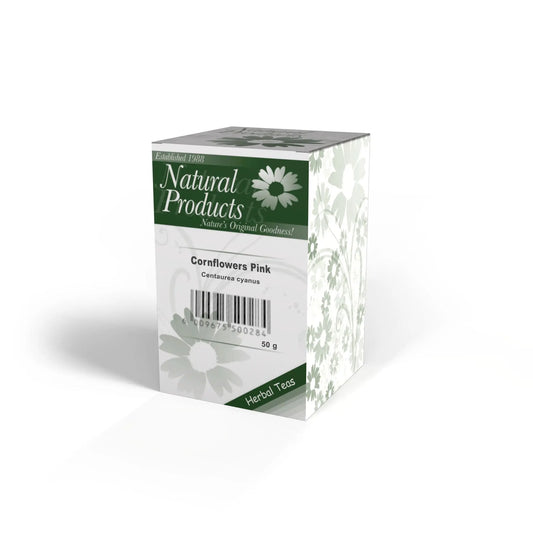
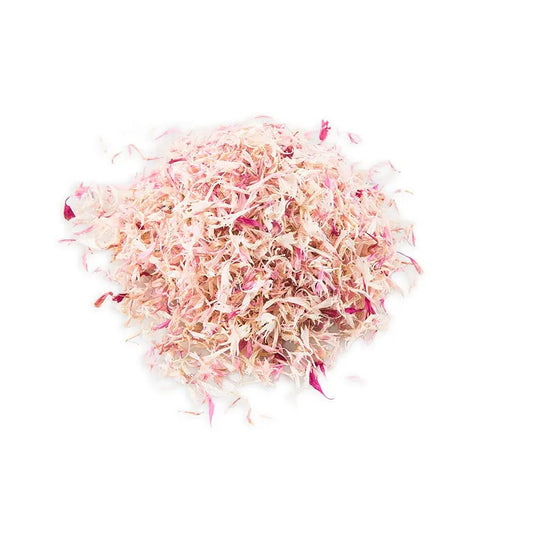
Cornflowers Blue (Centaurea cyanus) – Traditional Cooling & Ocular Comfort Tonic Pharma Germania

PHARMA GERMANIA

Cornflowers Blue | Loose Leaf Herb – Pharma Germania

50 g
R 76.50 ZAR
Free shipping on orders over R850

Refresh. Soothe. Clarify.

Centaurea cyanus is nature’s most striking blue botanical — an anthocyanin-rich cooling herb long valued in traditional herbalism for its legendary affinity with the eyes, its gentle astringent properties, and its soft, refreshing touch on tired, irritated tissues.

Why Cornflowers Blue?

  • Ocular soother: Anthocyanins and mucilage are the primary agents behind Cornflower’s legendary traditional use as a cooled compress or wash to refresh and revitalise tired, strained, or irritated eyes.
  • Cooling astringency: Flavonoids and mucilage tighten and tone tissues while dissipating internal heat and irritation — a gentle, effective botanical for calming surface irritation and delicate skin.
  • Systemic refresh: Traditionally used as a mild tonic to calm internal heat and promote a sense of clarity, ease, and cooling equilibrium throughout the body.
  • Visual serenity: Bitter compounds support mild digestive movement and cleansing, while the brilliant blue colour adds natural artistry and beauty to any herbal blend or self-care ritual.
  • PayFast Instant EFT
  • mobicred
  • Ozow
  • Mastercard
  • Visa

  • FREE SHIPPING

    Orders over R850 to your door.
  • 14 DAY RETURN

    Easy returns on eligible items.
  • SAFE PAYMENTS

    Shop with confidence.

Traditional Benefits

Centaurea cyanus has been a beloved medicinal plant for centuries. In traditional herbalism, it is known as a "vulnerary" (wound healer) and a gentle "astringent". Its cooling, calming energy makes it the perfect botanical choice for those who need to address irritation, whether it's systemic or topical.

Core Bioactive Markers:

  • Anthocyanins: The pigments responsible for that brilliant blue hue; these are powerful antioxidants that support eye health and protect against oxidative stress.
  • Flavonoids: Provide foundational support for healthy inflammation modulation and vascular integrity.
  • Mucilage: A gentle, soothing substance that helps to calm irritated tissues, especially on the surface of the skin and eyes.
  • Bitter Compounds: In smaller concentrations, these support mild digestive movement and contribute to the plant’s overall cleansing effect.

Key Physiological Properties:

  • Ocular Revitaliser: Traditionally prepared as a cooled infusion to act as a wash or compress for tired, "red," or strained eyes.
  • Mild Astringent: Helps to tighten and soothe tissues, making it an excellent botanical for calming surface irritation or soothing delicate skin.
  • Internal Cooling: Traditionally used to help the body dissipate "heat" and find a sense of equilibrium when feeling agitated or "inflamed."
  • Gentle Tonicity: Its mild action makes it a safe, nurturing botanical for regular use, especially as part of a calming beauty or self-care ritual.

Therapeutic Benefits at a Glance

Eye Comfort

Traditionally used to soothe strain, fatigue, and irritation.

Astringency

Tones and calms surface tissues and minor irritations.

Cooling

Dissipates internal and external "heat."

Visual Serenity

Adds colour and beauty to your daily herbal infusions.

Gentle Care

A safe, nourishing botanical for regular, ritualistic use.

How To Use

  • How to Use: Because they are delicate petals, they are best used as an infusion. Add a small pinch to your tea blends for colour, or steep 1 tablespoon in 1 cup of hot water for a gentle eye wash (once completely cooled and strained).
  • The Ritual: Best utilised as a "Visual Beauty Ritual." Adding these bright blue petals to your blends is an act of appreciation for nature's artistry. It is a moment to pause, admire the vibrancy of the botanical world, and feel a sense of clarity and cooling relief.

Safety & Precautions

• Do not use if you are pregnant.
• Generally very safe and gentle.
• If using as an eye wash, ensure the infusion is thoroughly strained to remove all petal particles, as they can irritate the eye.
• Not intended to diagnose, treat, cure, or prevent any disease.
• Keep out of reach of children.
FAQs

Are they only for decoration?

Absolutely not! While they are unmatched for adding beauty to your products, they have a genuine, historical role in traditional medicine for cooling and soothing irritation.

Do they have a strong taste?

They have a very mild, neutral taste. This makes them the perfect "add-in" because they enhance the look of a blend without altering the flavour profile you have worked so hard to balance.

Can I mix them with other herbs?

A: They are the ultimate "filler" and aesthetic booster. They look exquisite when mixed with bright green herbs like Lemon Balm or yellow herbs like Chamomile.

Shipping
• Free delivery on orders over R850 nationwide
• Courier delivery calculated at checkout for orders under R850
• Main centres: 2–4 business days | Outlying areas: 4–7 business days
• Orders processed within 1 business day (Mon–Fri)
• Tracking updates via email/SMS
• South Africa only — no international shipping
Returns
• 14-day returns accepted on sealed, unopened, unused items
• R100 flat-rate return shipping fee applies
• Final sale items are non-returnable
• Damaged items must be reported within 3 days of delivery (photo required)
• Refunds take up to 7 working days to clear

HOW TO PREPARE YOUR HERBS

infusion

Infusion (The Gentle Extract)

Best For: Flowers, leaves, and aerial parts.
Method: Steeping in hot (not boiling) water.
Goal: Preserves delicate oils and nutrients.
Feel: Mild, aromatic, and nourishing.
Think of this as an elevated tea ritual. Because leaves and flowers are delicate, boiling them can damage their beneficial essential oils and volatile compounds.

The Method: 
  • Pour hot (approx. 85°C–90°C) water over your herbs. 
  • The Time: Cover and steep for 5–15 minutes. Covering is key—it prevents the plant's aromatic oils from escaping with the steam. 
  • Best For: Chamomile, Lemon Balm, and delicate floral blends. 

Cold infusions

Herbs best suited for cold infusions are those high in mucilage (like marshmallow root) or those with delicate, volatile oils (like peppermint and lemon balm). Steeping these in cold water overnight extracts their maximum benefits and flavours while preventing bitterness and preserving sensitive phytonutrients. 

How to Prepare

Prep: Use a ratio of 1 tablespoon of dried herb (or 2 tablespoons fresh) per 1 cup of cold, filtered water.
Steep: Combine in a glass jar, cover tightly, and leave at room temperature or in the refrigerator for 6 to 12 hours (overnight is ideal).
Strain: Strain out the herbs thoroughly before drinking, warm water can be added to the drink if warm liquids is your preference. Do not heat in microwave.
cold_infusion
decoction

Decoction (The Deep Extract)

Best For: Roots, bark, seeds, and woody stems.
Method: Simmering in water over heat.
Goal: Softens tough fibres to release compounds.
Feel: Concentrated, earthy, and potent.

How to Prepare (The "Simmer")

This is a more intensive process for tougher materials. Roots, barks, and woody seeds are "locked" behind dense cell walls; a simple soak isn't enough to get the goodness out.
The Method: Place your herbs in a pot with cold water. Slowly bring it to a gentle boil, then lower the heat and simmer.
The Time: Simmer for 15–20 minutes. Keep the lid on to maintain the potency.
Best For: Yellow Dock, White Willow Bark, Wild Yam, and woody roots or dense seeds.

Herbal Poultice

  • Place the recommended amount of dried herbs into a bowl.
  • Add just enough boiling water to moisten the herbs, creating a thick paste.
  • Allow the mixture to cool until it is comfortably warm (not hot enough to burn the skin).
  • Spread the herbs evenly onto a clean piece of muslin, gauze, or cotton cloth and fold the cloth over to enclose the herbs.
  • Apply the warm poultice directly to the affected area for 15–30 minutes, or as needed.
  • Remove the poultice and discard the used herbs. Prepare a fresh poultice for each application.

Helpful Tips
Do not apply to broken skin, open wounds, or infected areas unless advised by a qualified healthcare practitioner. If irritation occurs, discontinue use immediately.
poultice