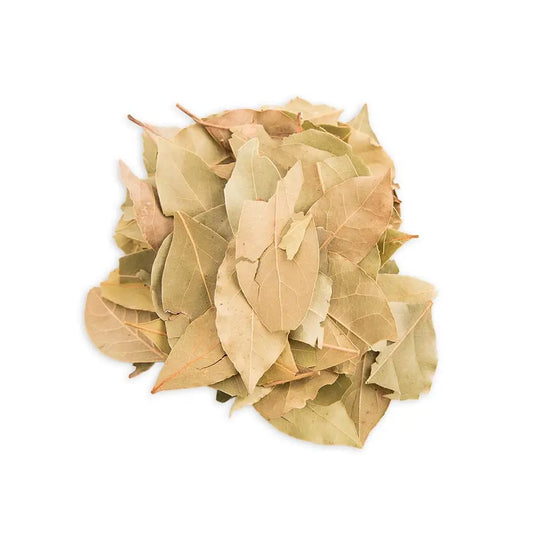
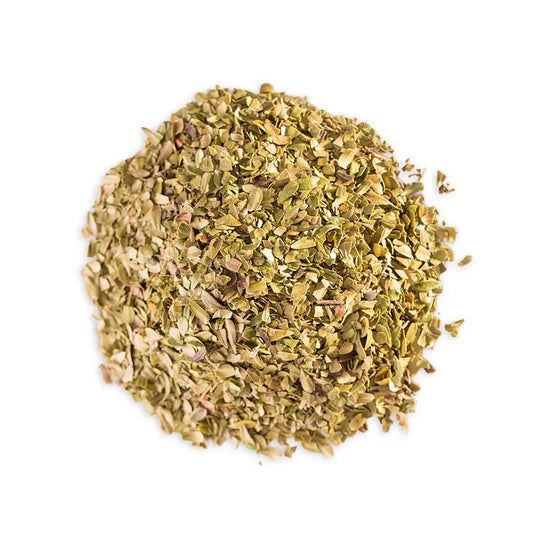
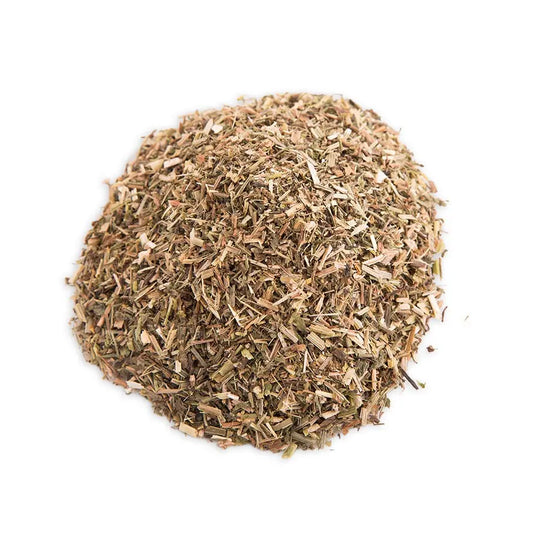
Birch Leaves | Loose Leaf Herb – Pharma Germania Pharma Germania

PHARMA GERMANIA

Birch Leaves | Loose Leaf Herb – Pharma Germania

75 g
R 57.46 ZAR
Free shipping on orders over R850

Cleanse. Flow. Renew.

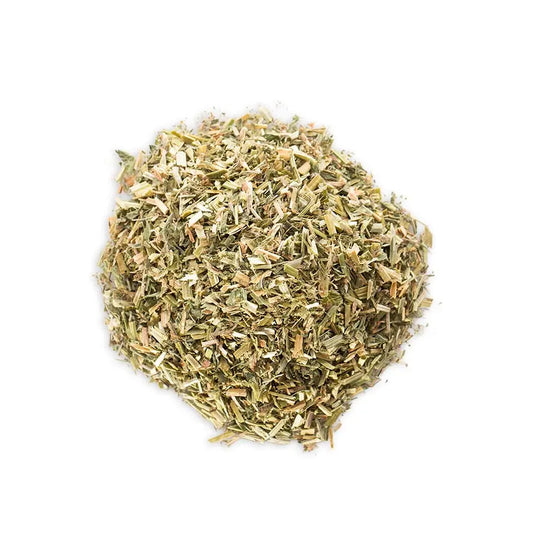
Betula pendula — a quintessential spring tonic traditionally used to support kidney health, encourage healthy fluid balance, and assist the body's natural cleansing when the system feels stagnant or heavy.

Why Birch Leaves?

  • Fluid balance — Flavonoids (hyperoside and quercetin) drive the herb's diuretic action, supporting the kidneys in filtration and gently encouraging the body to release excess water and puffiness.
  • Renal support — Triterpenes soothe the tissues of the urinary tract, while Vitamin C and minerals provide gentle nourishing support to the renal system during cleansing.
  • Systemic cleansing — Supports the kidneys in the regular, efficient removal of metabolic byproducts, clearing stagnant fluids and restoring a sense of lightness.
  • Gentle alterative — Essential oils provide mild aromatic support for the body's elimination pathways — a non-harsh tonic for seasonal transitions and ongoing urinary comfort.
  • PayFast Instant EFT
  • mobicred
  • Ozow
  • Mastercard
  • Visa

  • FREE SHIPPING

    Orders over R850 to your door.
  • 14 DAY RETURN

    Easy returns on eligible items.
  • SAFE PAYMENTS

    Shop with confidence.

Traditional Benefits

The leaves of the Birch tree (Betula alba) have been highly regarded for centuries. In traditional practice, they are viewed as a "moving" herb—one that encourages the flow of fluids and the clearance of metabolic waste, making them an essential tool for those looking to support their body’s internal filtration networks.

Core Bioactive Markers:

  • Flavonoids (Hyperoside & Quercetin): These potent antioxidants are responsible for the herb's diuretic action, supporting the kidneys in their filtration duties.
  • Triterpenes: Compounds that contribute to the herb’s anti-inflammatory and cleansing properties, helping to soothe the tissues of the urinary tract.
  • Essential Oils: Provide a mild, aromatic influence that supports the body’s overall elimination pathways.
  • Vitamin C & Minerals: Provide gentle, nourishing support to the renal system during the cleansing process.

Key Physiological Properties:

  • Renal Diuretic: Encourages an increase in urine volume, which helps to flush the urinary system and prevent the buildup of stagnant fluids.
  • Toxin Clearance: By supporting the kidneys, it assists the body in the regular, efficient removal of metabolic byproducts that can cause feelings of lethargy.
  • Tissue Toning: Its mild astringent nature helps "tone" the urinary passages, supporting the integrity and comfort of the bladder and kidneys.
  • Seasonal Adaptability: Traditionally used during seasonal transitions to help the body "shed" the accumulated stagnation of the colder months.

Therapeutic Benefits at a Glance

Fluid Balance

Gently reduces water retention and feelings of puffiness.

Kidney Support

Promotes efficient filtration and healthy urinary function.

Systemic Cleansing

Aids the body in removing metabolic waste and "stagnant" fluids.

Urinary Comfort

Soothes and supports the health of the urinary tract and bladder.

Vitality Boost

Promotes a lighter, cleaner feeling by clearing out accumulated congestion.

How To Use

  • Infusion: Pour 1 cup of boiled water over 1 - 2 teaspoons of herb. Infuse for 10min and drink three times per day..
  • The Ritual: Best utilised as a "Purification Ritual." Sipping a cup of Birch tea when you feel the need to "reset" or lighten your system is a perfect, mindful way to support your body’s natural rhythm.

Safety & Precautions

• Do not use if pregnant or lactating.
• Stay within recommended dosages.
• Contraindicated in cases of oedema caused by impaired heart or kidney function.
• Can cause dehydration due to strong diuretic action.
• Not intended to diagnose, treat, cure, or prevent any disease.
• Keep out of reach of children.
FAQs

Why is it called a "depurative" herb?

In traditional herbalism, a depurative is an herb that helps "cleanse" or "purify" the blood and tissues by supporting the main elimination organs—essentially acting as a support for your internal filter.

How does the tea taste?

It is very mild, fresh, and slightly sweet with an earthy, forest-like undertone—very pleasant and easy to enjoy.

Can I use this for long-term support?

It is often used in short, focused "cleansing" courses rather than as a permanent daily staple, particularly during seasonal transitions.

Shipping
• Free delivery on orders over R850 nationwide
• Courier delivery calculated at checkout for orders under R850
• Main centres: 2–4 business days | Outlying areas: 4–7 business days
• Orders processed within 1 business day (Mon–Fri)
• Tracking updates via email/SMS
• South Africa only — no international shipping
Returns
• 14-day returns accepted on sealed, unopened, unused items
• R100 flat-rate return shipping fee applies
• Final sale items are non-returnable
• Damaged items must be reported within 3 days of delivery (photo required)
• Refunds take up to 7 working days to clear

HOW TO PREPARE YOUR HERBS

infusion

Infusion (The Gentle Extract)

Best For: Flowers, leaves, and aerial parts.
Method: Steeping in hot (not boiling) water.
Goal: Preserves delicate oils and nutrients.
Feel: Mild, aromatic, and nourishing.
Think of this as an elevated tea ritual. Because leaves and flowers are delicate, boiling them can damage their beneficial essential oils and volatile compounds.

The Method: 
  • Pour hot (approx. 85°C–90°C) water over your herbs. 
  • The Time: Cover and steep for 5–15 minutes. Covering is key—it prevents the plant's aromatic oils from escaping with the steam. 
  • Best For: Chamomile, Lemon Balm, and delicate floral blends. 

Cold infusions

Herbs best suited for cold infusions are those high in mucilage (like marshmallow root) or those with delicate, volatile oils (like peppermint and lemon balm). Steeping these in cold water overnight extracts their maximum benefits and flavours while preventing bitterness and preserving sensitive phytonutrients. 

How to Prepare

Prep: Use a ratio of 1 tablespoon of dried herb (or 2 tablespoons fresh) per 1 cup of cold, filtered water.
Steep: Combine in a glass jar, cover tightly, and leave at room temperature or in the refrigerator for 6 to 12 hours (overnight is ideal).
Strain: Strain out the herbs thoroughly before drinking, warm water can be added to the drink if warm liquids is your preference. Do not heat in microwave.
cold_infusion
decoction

Decoction (The Deep Extract)

Best For: Roots, bark, seeds, and woody stems.
Method: Simmering in water over heat.
Goal: Softens tough fibres to release compounds.
Feel: Concentrated, earthy, and potent.

How to Prepare (The "Simmer")

This is a more intensive process for tougher materials. Roots, barks, and woody seeds are "locked" behind dense cell walls; a simple soak isn't enough to get the goodness out.
The Method: Place your herbs in a pot with cold water. Slowly bring it to a gentle boil, then lower the heat and simmer.
The Time: Simmer for 15–20 minutes. Keep the lid on to maintain the potency.
Best For: Yellow Dock, White Willow Bark, Wild Yam, and woody roots or dense seeds.

Herbal Poultice

  • Place the recommended amount of dried herbs into a bowl.
  • Add just enough boiling water to moisten the herbs, creating a thick paste.
  • Allow the mixture to cool until it is comfortably warm (not hot enough to burn the skin).
  • Spread the herbs evenly onto a clean piece of muslin, gauze, or cotton cloth and fold the cloth over to enclose the herbs.
  • Apply the warm poultice directly to the affected area for 15–30 minutes, or as needed.
  • Remove the poultice and discard the used herbs. Prepare a fresh poultice for each application.

Helpful Tips
Do not apply to broken skin, open wounds, or infected areas unless advised by a qualified healthcare practitioner. If irritation occurs, discontinue use immediately.
poultice